
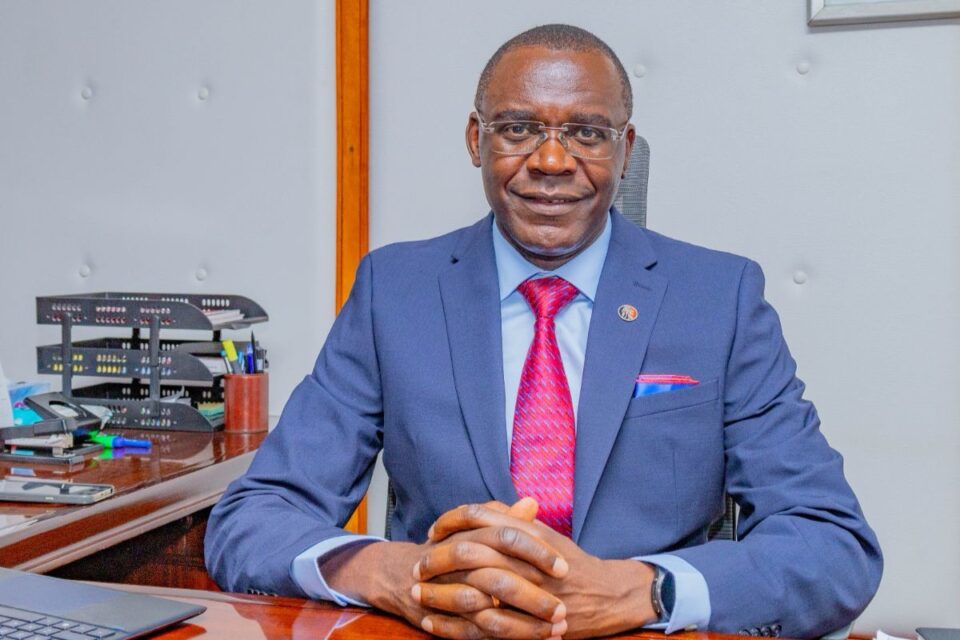
A storm is gathering around George Obell, the soft-spoken but powerful taxman who has spent years warning Kenyans that every shilling must be accounted for. Now, it is his own billions that are under scrutiny.
Court filings reviewed in Nairobi have triggered parallel investigations by the Ethics and Anti-Corruption Commission and the Asset Recovery Agency, probing how a career civil servant earning roughly Sh468,000 a month allegedly accumulated wealth estimated at close to Sh30 billion.
The figures do not just raise eyebrows. They shatter logic.
Based on publicly cited salary scales and his nearly three-decade tenure at the Kenya Revenue Authority, Obell’s total lifetime earnings would struggle to cross Sh112 million before tax. Yet investigators are now circling an alleged asset base that dwarfs that figure by thousands of times, a discrepancy so vast it has landed in the Anti-Corruption Division of the High Court.
The case was triggered by a petition from a Nairobi resident seeking to block his continued tenure and recent promotion within KRA until the investigations are concluded. What emerges from the filings is not just a question of wealth, but of how deep institutional blind spots may run.
At the centre of the controversy is Obell’s rise through sensitive tax departments, including the International Tax Office, a unit that handles multinational corporations, transfer pricing disputes and complex cross-border tax structures. It is an arena where decisions can swing billions in liabilities and where, historically, Kenyan investigators have flagged elevated corruption risks.
Previous probes into KRA have exposed patterns where officials allegedly colluded with corporations to suppress tax obligations. In 2020, senior officials were investigated over multi-billion shilling tax losses linked to import schemes. A 2025 audit further revealed thousands of questionable tax compliance certificates issued to entities with outstanding liabilities.
It is within this environment that Obell’s alleged wealth is said to have taken shape.
But the scandal does not end with numbers.
Investigators are also examining explosive claims that Obell may have obtained an integrity clearance certificate from within the anti-corruption system even as probes into his wealth were ongoing. If proven, it would suggest a breach not just of ethics but of the integrity architecture itself, raising the possibility that oversight institutions can be manipulated from within.
Meanwhile, attention has turned to Ciala Resort, the high-end hospitality complex linked to Obell. Set on expansive grounds near Kisumu, the resort boasts dozens of rooms, conference facilities hosting thousands, and luxury amenities that place it firmly in the category of multi-hundred-million-shilling investments.

Court filings allege that the resort has hosted influential figures, including individuals linked to oversight structures, raising uncomfortable questions about conflict of interest and regulatory capture. Claims that hospitality may have been extended to board members responsible for vetting appointments have added another volatile layer to the unfolding saga.
Despite the mounting questions, Obell’s career trajectory has remained upward.
He was confirmed as a substantive commissioner in 2025, even as investigations by the EACC and ARA were reportedly underway. The decision has drawn sharp criticism, with petitioners arguing it signals a dangerous precedent where ongoing corruption probes do not impede advancement within critical state institutions.
Neither Obell nor KRA had publicly responded to the allegations by the time the matter reached court.
The case now places Kenya’s anti-corruption framework on trial as much as the man at its centre. The High Court is expected to determine whether a senior tax official under active investigation can continue to wield authority over millions of taxpayers.
For many observers, the optics are already damaging.
Obell has been the face of aggressive tax enforcement campaigns, warning small businesses and informal traders that digital systems have eliminated hiding places. His department has pushed for stricter compliance, threatening penalties, account freezes and travel restrictions for defaulters.
Now, the narrative has flipped.
The man who chased the country’s smallest tax leaks is being asked to explain what could become one of the largest unexplained wealth cases in Kenya’s public service history.
Whether the investigations will lead to prosecution or fade into the familiar silence that has swallowed past high-profile corruption cases remains the question hanging over Nairobi.
There's no story that cannot be told. We cover the stories that others don't want to be told, we bring you all the news you need. If you have tips, exposes or any story you need to be told bluntly and all queries write to us [email protected] also find us on Telegram
