
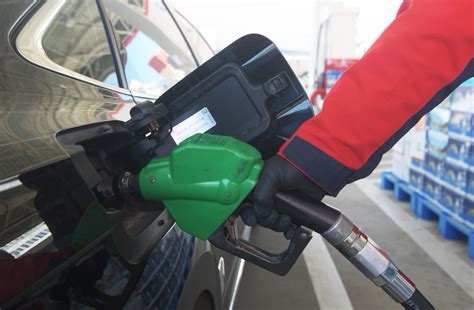
KISUMU, Kenya — A potentially explosive fuel-smuggling and tax-compliance controversy is emerging around Kisumu-based petroleum company Bachulal Popatlal (Kenya) Limited, with allegations that petroleum products imported into Kenya could be finding their way into neighbouring countries through informal Lake Victoria routes.
The allegations, if substantiated, could expose the company to scrutiny by the Energy and Petroleum Regulatory Authority (EPRA), Kenya Revenue Authority (KRA), police and other agencies responsible for customs enforcement and petroleum safety.
Bachulal Popatlal identifies itself as an independent petroleum importer and distributor dealing in diesel, petrol, kerosene, jet fuel, lubricants and LPG. The company says it is the biggest LPG distributor in western Kenya and operates two retail petrol stations, one in Kisumu and another in Bomet.
Its website lists Amit Prafulkumar Panchmatia as a director and gives the company’s Kisumu address as Obote Road, Block 7/30, while its Nairobi office is listed at Crescent Pearl on Crescent Road, behind Gallant Mall in Westlands.
But information circulating among traders and people familiar with the western Kenya petroleum market alleges that some petroleum products associated with the business are being diverted from the formal supply chain and moved across Lake Victoria towards Uganda and, ultimately, markets in the wider Great Lakes region.
The allegations specifically point to lake routes connecting Kenya with Uganda, with landing points allegedly used around Iganga and Masaka before products are moved onwards.
There is, however, no publicly available evidence establishing that Bachulal Popatlal itself operates those alleged routes. That aspect requires investigation by customs and law-enforcement authorities.
Questions over Obote Road premises
The allegations have been compounded by concerns from traders and residents around the company’s Obote Road premises in Kisumu.
Residents claim that petroleum products are being handled or temporarily stored at commercial premises rather than exclusively through appropriately licensed petroleum facilities.
Some traders allege that jerrycans and drums are moved into and out of premises along the busy commercial road, raising questions over whether the activity constitutes licensed petroleum storage, retailing or another form of petroleum handling.
The safety concerns are particularly serious because Obote Road is a densely populated commercial area where shops, businesses and residential premises operate in close proximity.
A trader who requested anonymity said residents were worried about the consequences of a fire involving petroleum products.
“Fuel is highly flammable. One small spark or electrical fault could turn the whole block into a disaster,” the trader said.
These claims have not been independently verified.
EPRA’s licensing framework requires petroleum businesses to operate under appropriate licences and meet safety and environmental requirements. The Authority’s published requirements for petroleum retail facilities include a valid tax compliance certificate, county business permit, NEMA environmental documentation, fire clearance, workplace registration, calibrated storage tanks and dispensing equipment, pressure testing and an emergency response plan.
EPRA also maintains separate licensing categories covering petroleum importation, wholesale, storage, transportation and retailing.
A licensed importer, but questions remain
Official EPRA records reviewed by this publication show Bachulal Popatlal was listed as a holder of an import, export and wholesale petroleum-products licence, number EPRA/PET/4208, with an expiry date of February 19, 2026, in the register published in June 2025.
A separate EPRA register listed the company as a licensed petroleum transporter, covering numerous vehicles, with that particular licence shown as expiring on March 9, 2026.
Those historical register entries do not by themselves establish the company’s licensing position on October 1, 2026. EPRA’s current register or renewed licences would need to be checked to determine its present regulatory status.
The distinction is important because a company can legitimately import and distribute petroleum while individual consignments, facilities or transactions could still be subject to separate regulatory and customs scrutiny.
The Lake Victoria smuggling question
Lake Victoria has long presented a difficult border-security environment because of its extensive shoreline and numerous landing sites.
KRA says its Marine Unit has intensified surveillance of Kenya’s territorial waters to combat illicit trade and revenue leakage. The authority reported intercepting illicit and uncustomised goods worth Sh3.19 million during the 2023/24 financial year, recovering Sh1.6 million in revenue.
The existence of smuggling routes on the lake is therefore not merely theoretical. What remains unestablished is whether any petroleum linked to Bachulal Popatlal has been moved through such routes.
The allegations warrant examination of import declarations, customs entries, electronic tax invoices, transport records, petroleum delivery notes, vessel movements and records of sales to customers in western Kenya.
Such an audit could establish whether volumes imported into Kenya correspond with quantities legitimately sold, stored, transported or exported.
Taxman could hold the key
The taxation component could be equally significant.
KRA announced that from January 1, 2026 it would validate income and expenses declared by taxpayers against data including TIMS/eTIMS information and customs import records. The authority says declared income and expenses are expected to be supported by valid electronic tax invoices, subject to statutory exceptions.
That creates a potentially powerful audit trail for a petroleum importer.
If petroleum was legitimately imported and subsequently sold, the relevant customs, inventory, transport, invoicing and sales records should provide a trail from importation to final customer.
Any substantial unexplained discrepancy would be a matter for KRA and other authorities to investigate.
Kenyan tax law provides criminal sanctions for tax offences, with penalties in certain cases involving evaded tax reaching double the tax evaded or a fine of up to Sh10 million, together with possible imprisonment, depending on the offence established.
But an unexplained discrepancy would not, on its own, prove tax evasion. Authorities would have to establish the facts and apply the relevant tax and criminal laws.
EPRA has enforcement powers
The Petroleum Act gives regulators significant enforcement powers where petroleum offences are suspected.
The law provides for penalties for contraventions and, where applicable, recovery and forfeiture measures following conviction. The general penalty under Section 124 is a fine of not less than Sh5 million where no specific penalty is prescribed.
The 2025 petroleum regulations also give EPRA inspectors powers to inspect premises, examine records and equipment, take samples and, where non-compliance is found, seal facilities, disconnect supplies or seize equipment used in illegal activity.
That means an inspection of the Obote Road premises, coupled with a documentary audit, could quickly establish whether the alleged activities are taking place within the law.
Demand for answers
Residents and traders are now calling for EPRA, KRA, Kisumu County officials, NEMA and the police to establish what is happening at the premises.
Their concerns are twofold: public safety and possible revenue leakage.
Licensed petroleum operators spend heavily on regulatory compliance, fire-safety infrastructure, insurance, trained personnel, environmental requirements and taxation. If petroleum were being sold outside the licensed chain, compliant operators could face an uneven competitive environment.
More importantly, storing significant quantities of highly flammable petroleum products in an inappropriate commercial building could create a serious public-safety risk if the allegation is confirmed.
Bachulal Popatlal publicly states that safety and product quality are priorities and that it operates in compliance with international safety and quality standards.
The company should therefore be given an opportunity to explain whether the Obote Road premises are authorised for the alleged activities, whether petroleum is stored there, what quantities are involved, and whether any products are transported across Lake Victoria.
The central question now is not whether allegations have been made. It is whether EPRA and KRA can follow the paper trail, inspect the premises and establish what happens to petroleum after it enters the country.
Until such an investigation is completed, claims of fuel smuggling and tax evasion remain allegations rather than proven offences.
There's no story that cannot be told. We cover the stories that others don't want to be told, we bring you all the news you need. If you have tips, exposes or any story you need to be told bluntly and all queries write to us [email protected] also find us on Telegram
