
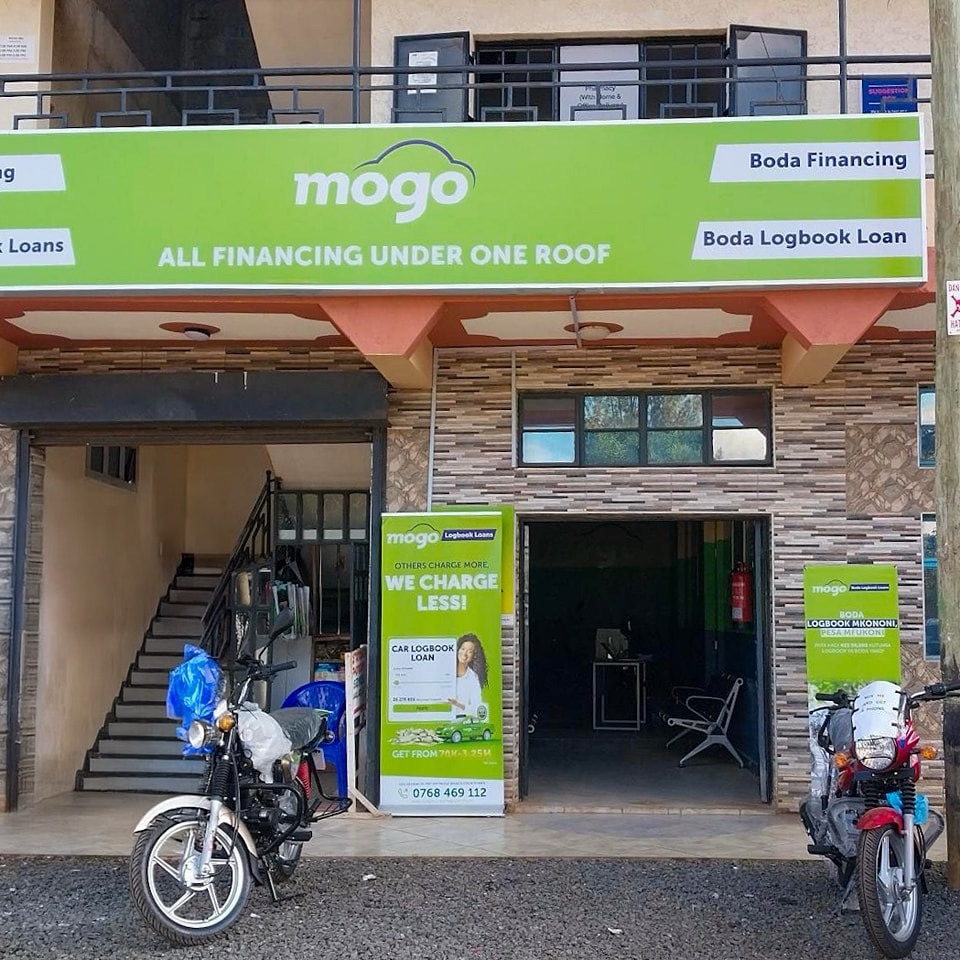
A court ruling delivered in Thika has blown the lid off what could become one of Kenya’s biggest consumer lending scandals, after a magistrate described an interest rate charged by Mogo Auto Limited as “nothing short of exploitative” and dramatically slashed the company’s debt claim against a borrower.
The June 2 judgment by Honourable Jamlick Muriithi Mwenda of the Thika Small Claims Court is being viewed as a potential turning point in the growing backlash against the vehicle financing giant, whose lending practices have for years generated complaints from borrowers, attracted regulatory sanctions and sparked multiple court battles across the country.
At the centre of the case was a loan of Sh400,000 advanced to Aziz Daniel Odoyo in June 2022 under an asset financing agreement.
By the time the dispute reached court, Odoyo had already paid Sh299,369. Yet Mogo still claimed he owed a staggering Sh677,381, despite having recovered nearly three quarters of the original loan amount.
The court was unconvinced.
After examining the figures, Magistrate Mwenda found that the lender had applied an effective annual interest rate of 86.4 percent, excluding additional charges. The court described the rate as exploitative and invoked the in duplum rule, a legal principle that limits recoverable interest once it reaches the value of the original principal.
Instead of the Sh677,381 sought by Mogo, the court awarded the company only Sh100,631.
The ruling has renewed scrutiny of a lending model that critics say targets boda boda riders, small traders, transport operators and other Kenyans locked out of traditional bank financing.
For years, borrowers have complained of loan balances that appeared to grow despite regular repayments, unexplained charges, aggressive repossessions and contracts they say were impossible to understand.
The Thika judgment appears to validate many of those concerns.
Court records and regulatory findings reveal a pattern of complaints involving the use of dollar-linked calculations on loans issued in Kenya shillings, bundled insurance charges and interest computation methods that customers struggled to verify.
In October 2024, the Competition Authority of Kenya fined Mogo Auto Limited Sh10.85 million after finding the company had engaged in false and misleading representation and unconscionable conduct against borrowers.
The authority ordered refunds to affected customers and directed the lender to implement compliance measures aimed at protecting consumers.
Among the issues highlighted by regulators were allegations that some borrowers were subjected to loan calculations linked to fluctuations in the US dollar despite receiving their loans in Kenyan shillings.
Others complained that they continued making payments only to discover their outstanding balances remained stubbornly high or had increased.
The findings added fuel to mounting concerns that thousands of borrowers may have been trapped in financing arrangements whose true costs were never fully disclosed.
The company is also facing a class action suit filed before the High Court in Nairobi by borrowers seeking to represent potentially thousands of customers who claim they suffered losses under similar lending arrangements.
The case alleges widespread use of unfair lending practices and challenges the legality of key aspects of Mogo’s business model.
While borrowers fought to keep their vehicles and livelihoods, Mogo’s parent company, Eleving Group, reported record financial performance.
The European fintech group posted a net profit of €29.6 million in 2024, describing it as its strongest year on record. Kenya remains one of the company’s most important African markets, with the lender boasting more than 150,000 loans issued locally and billions of shillings injected into the economy through vehicle and motorcycle financing.
That contrast is now attracting attention.
Consumer rights advocates argue that while international investors have been presented with a narrative of financial inclusion and economic empowerment, many Kenyan borrowers tell a very different story, one involving repossessions, ballooning balances and years of litigation.
Several previous court decisions have also gone against the lender.
In separate cases, High Court judges faulted Mogo for repossessing vehicles without proper notice and questioned aspects of its enforcement procedures. Those rulings, coupled with the Competition Authority’s findings and now the Thika judgment, are building a growing body of legal decisions that challenge the company’s conduct.
For many borrowers, the latest ruling is more than just another court case.
It is the first time a Kenyan court has so bluntly described the cost of one of the lender’s loans as exploitative.
The decision is likely to embolden more customers to challenge disputed balances, repossessions and interest charges in court.
It also raises uncomfortable questions for regulators who licensed and supervised the lender even as complaints mounted and legal battles multiplied.
As pressure grows, attention is shifting from individual disputes to a much larger question: whether the problems identified in the Odoyo case represent isolated mistakes or evidence of a business model built on extracting maximum returns from borrowers least able to fight back.
For now, one fact stands out from the Thika courtroom.
A company that sought to recover Sh677,381 from a borrower who had already paid nearly Sh300,000 walked away with a judgment of just Sh100,631.
And in the words of the court, the interest rate at the heart of the dispute was “nothing short of exploitative.”
There's no story that cannot be told. We cover the stories that others don't want to be told, we bring you all the news you need. If you have tips, exposes or any story you need to be told bluntly and all queries write to us [email protected] also find us on Telegram
