A Kenyan businessman has been thrust into the center of one of Africa’s biggest corruption scandals after the United States sanctioned South Sudanese digital payments giant Crawford Capital over allegations of looting public revenue through a controversial tax collection system.
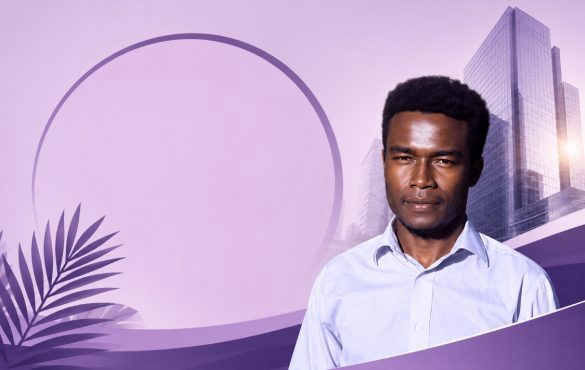
Jeremy Gisemba, a little-known Kenyan investor who quietly built business interests in Juba’s growing digital economy, is now facing intense scrutiny after investigators linked him to the company accused of siphoning millions of dollars from South Sudan’s struggling economy while millions of citizens faced hunger and humanitarian collapse.
The scandal exploded internationally after the US government imposed sanctions on Crawford Capital and associated entities, accusing the company of abusing government contracts to divert public money into private hands.
According to investigations by the United Nations Commission on Human Rights in South Sudan, Gisemba owned a 26 percent stake in Crawford Capital and more than 23 percent in CapitalPay, the platform used to collect billions in government fees, taxes, permits, and oil-related charges.
The findings place the Kenyan businessman among the principal beneficiaries of a revenue collection system that investigators say became one of the most aggressive financial extraction schemes in South Sudan’s history.
Crawford Capital rose rapidly inside the South Sudanese government beginning in 2019 after securing exclusive control over several electronic government payment systems under highly controversial contracts.
The agreements reportedly allowed the company to retain up to 75 percent of revenues processed through its platforms while the government received only a quarter of the collections.
The company handled payments linked to e-visas, import permits, oil accreditation fees, fuel levies, and other state charges in a country already crippled by civil conflict, corruption, and economic collapse.
What has drawn even greater attention to Gisemba is the contrast between his past public statements and his later role inside the company now accused of facilitating financial abuse.
In 2019, while serving as an executive at LEM International in Juba, Gisemba publicly warned about weak anti-money laundering controls in South Sudan’s emerging mobile money sector.
He urged stronger oversight and accountability mechanisms in digital financial systems, saying authorities needed to know the source of funds moving through electronic payment platforms.
Within the same period, Crawford Capital was cementing its control over South Sudan’s digital revenue systems.
United Nations investigators later concluded that the contracts awarded to the company showed signs of abuse of office and political favoritism.
The UN report alleged the company was deeply connected to powerful political figures and relatives of President Salva Kiir, including individuals close to the presidency.
The report described Crawford Capital as part of a wider corruption network that enabled politically connected elites to profit from public resources while state institutions deteriorated.
Investigators accused the company of holding public revenues in private accounts rather than channeling them directly to the national treasury.
The fallout from the scheme reached humanitarian operations after Crawford introduced controversial fuel levies that affected aid agencies and United Nations missions delivering food and medical supplies.
International organizations warned the charges were disrupting life-saving operations in a country where millions depend on humanitarian assistance.
The World Food Programme was among agencies that raised alarm before international pressure forced authorities to reverse some of the measures.
The scandal has also triggered fresh questions in Kenya over whether any proceeds linked to Crawford Capital moved through Kenyan financial systems or business networks tied to Gisemba.
Financial crime experts say Kenyan authorities could face pressure to investigate whether the businessman used Kenyan banks, companies, or investment channels connected to the revenues generated from South Sudan’s public payment systems.
Analysts note that Kenyan citizens involved in suspected cross-border financial crimes can still face scrutiny under anti-money laundering laws even when the alleged activities occurred outside the country.
Although the United States sanctions did not target Gisemba individually, investigators say major shareholders and associates linked to sanctioned companies often come under heightened scrutiny from international banks and regulators.
The controversy has further exposed how foreign businessmen and politically connected investors have increasingly profited from South Sudan’s weak institutions and opaque financial systems.
South Sudan remains one of the world’s poorest nations despite earning billions of dollars from oil exports since independence in 2011.
United Nations reports estimate millions of citizens continue to face acute food insecurity, displacement, and collapsing healthcare and education systems while politically connected networks allegedly siphon state revenues through private schemes.
For Jeremy Gisemba, the sanctions have transformed him from a largely unknown Kenyan businessman into a central figure in a growing international corruption scandal that now stretches from Juba to Nairobi, London, and Washington.
As investigations continue, pressure is mounting on regional and international authorities to trace the financial flows behind Crawford Capital and determine who benefited from one of South Sudan’s most controversial revenue collection systems.
There's no story that cannot be told. We cover the stories that others don't want to be told, we bring you all the news you need. If you have tips, exposes or any story you need to be told bluntly and all queries write to us [email protected] also find us on Telegram
