
Nairobi — In the bustling estates of Eastleigh and Kiamaiko, a disturbing question is once again confronting Kenya’s immigration and registration authorities: how have foreign nationals allegedly managed to acquire genuine Kenyan identity documents with such apparent ease?
An undercover investigation aired by KTN News in June 2026 has reignited concerns about the integrity of Kenya’s citizenship and registration systems. The exposé detailed how brokers, rogue officials and willing accomplices allegedly facilitate the acquisition of Kenyan identity cards, birth certificates and passports by foreigners who have no legitimate claim to Kenyan citizenship.
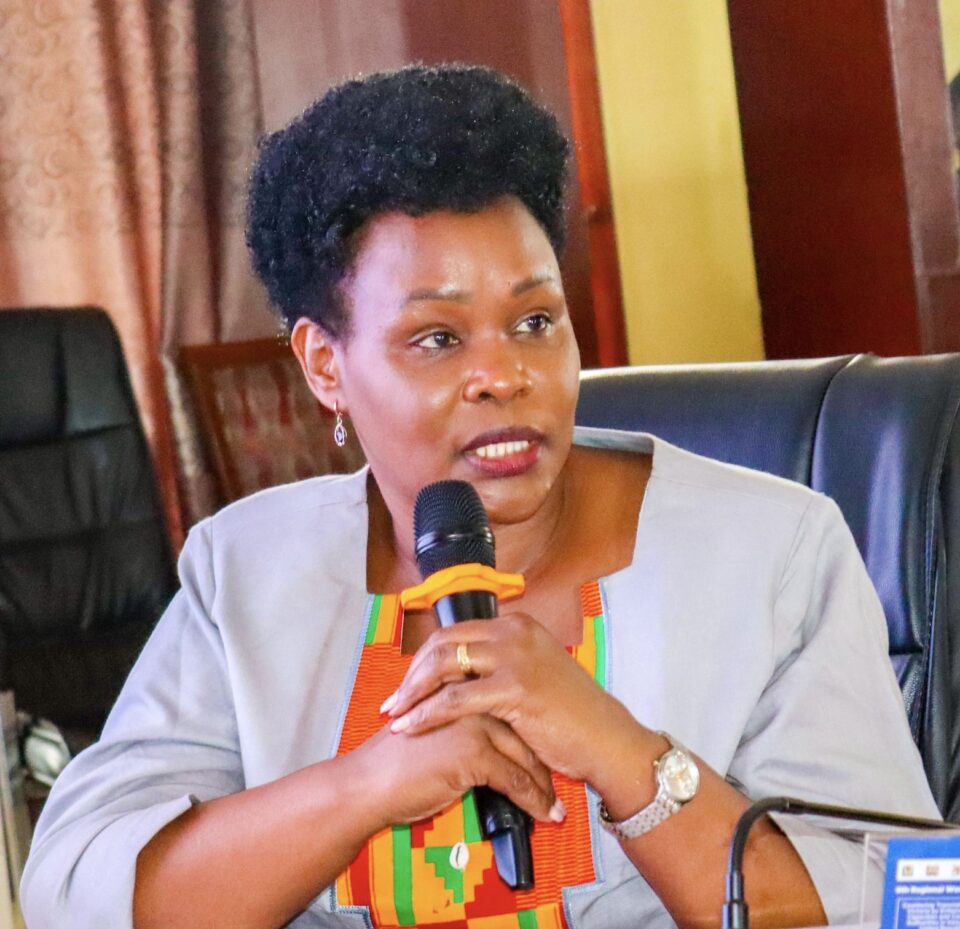
At the centre of renewed public scrutiny is Immigration and Citizen Services Director General Evelyn Cheluget, the official charged with safeguarding the integrity of Kenya’s immigration, passport and citizenship systems.
The investigation painted a troubling picture of a thriving underground network in which foreigners reportedly pay brokers to obtain authentic Kenyan documents through fraudulent means. Undercover reporters were allegedly told that for a fee, applicants could secure Kenyan IDs by manipulating birth records, falsifying personal details and recruiting Kenyan citizens to pose as parents during identity verification processes.
According to the report, some individuals have repeatedly acted as “parents for hire,” lending their identification documents to support applications by people with no familial connection to them. Birthplaces are allegedly altered, ages adjusted and records modified to create the appearance of Kenyan citizenship.
What makes the allegations particularly alarming is that the resulting documents are not counterfeit. They are genuine government-issued documents generated through official systems.
Several cases highlighted by the investigation reportedly involved individuals whose foreign passports contained biographical information that differed significantly from details appearing on newly acquired Kenyan identity documents. Critics argue that such discrepancies should have triggered immediate scrutiny within government databases and verification processes.
The revelations have revived longstanding concerns over immigration oversight and document issuance under successive administrations.
Cheluget, a career immigration officer who joined the department in 1994, became the first woman to serve as Director General of Immigration Services following her appointment in May 2023. During her more than three decades in public service, she has held several senior positions, including Head of the Visa Section, Director of Citizenship and Immigration Attaché in Washington, D.C.
Supporters point to her lengthy experience within the department. Critics, however, argue that recurring controversies involving citizenship, immigration and document issuance have continued to emerge under systems she has helped manage for many years.
The latest scandal follows earlier questions surrounding the issuance of Kenyan passports to controversial foreign figures.
Among the cases that attracted public attention was that of Algoney Hamdan Dagalo Musa, a brother of Rapid Support Forces commander Mohamed Hamdan Dagalo, commonly known as Hemedti. International sanctions imposed by the United States and European Union against individuals linked to the Sudan conflict raised questions about how certain foreign nationals may have acquired Kenyan travel documents and whether adequate due diligence was conducted.
Separate reports have also raised questions about passport issuance involving Zimbabwean businessman Wicknell Chivayo, whose name has periodically surfaced in regional controversies and investigations.
While the specific circumstances surrounding each case differ, they have collectively fuelled concerns about the robustness of vetting procedures within Kenya’s immigration system.
Questions have also persisted regarding allegations of visa-processing cartels and irregular referral schemes involving immigration-linked networks. Over the years, various stakeholders, including travel agents, civil society actors and community leaders, have called for independent investigations into alleged corruption within sections of the immigration department.
Those concerns have largely remained unresolved.
The implications extend far beyond administrative misconduct.
A Kenyan national identity card is the foundation of citizenship. It grants access to voting rights, banking services, land ownership, government programmes and numerous aspects of economic life. When fraudulent identities enter the system, experts warn that the consequences can ripple across national security, electoral integrity and public trust.
Security analysts have repeatedly cautioned that weaknesses in identity management systems can create opportunities for transnational criminal networks, human trafficking syndicates and extremist groups seeking to exploit administrative loopholes.
The issue is particularly sensitive as Kenya moves closer to the 2027 General Election, where voter registration and citizenship verification will once again come under intense public scrutiny.
Responsibility for addressing these concerns extends beyond a single office. The National Registration Bureau, the Ministry of Interior and National Administration, and other security agencies all play critical roles in protecting the integrity of national identity records.
Nevertheless, as the head of Immigration and Citizen Services, Cheluget finds herself facing mounting pressure to explain how such alleged schemes could flourish and whether adequate safeguards exist to detect and prevent abuse.
The KTN investigation has renewed calls for a comprehensive forensic audit of identity cards, birth certificates and passports issued over recent years. Transparency advocates are demanding an independent review capable of identifying fraudulent registrations, exposing corrupt networks and holding accountable any officials found to have facilitated wrongdoing.
For many Kenyans, the issue is no longer whether isolated cases of fraud exist. The pressing question is whether systemic weaknesses have allowed criminal networks to penetrate institutions responsible for defining who is and is not a Kenyan citizen.
The undercover footage showed brokers speaking with remarkable confidence about their ability to navigate government systems. That confidence has become a symbol of a deeper public concern: whether those entrusted with protecting Kenya’s identity infrastructure are fully in control of it.
The allegations now demand more than silence. They require answers, accountability and demonstrable action.
As pressure mounts on immigration authorities, the coming weeks may determine whether the latest revelations become another forgotten scandal or the catalyst for long-overdue reforms within one of the country’s most sensitive government functions.
There's no story that cannot be told. We cover the stories that others don't want to be told, we bring you all the news you need. If you have tips, exposes or any story you need to be told bluntly and all queries write to us [email protected] also find us on Telegram
