
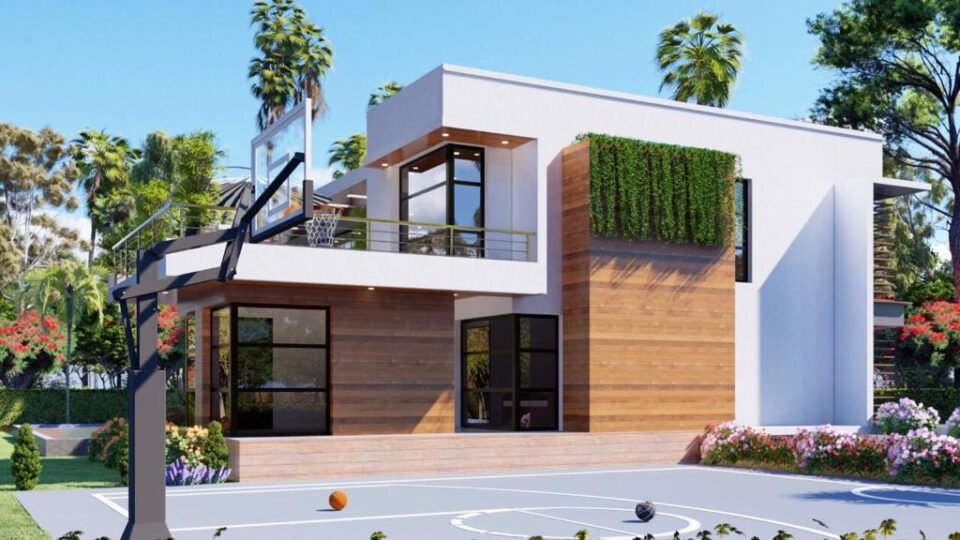
For years, Kenya’s luxury property sector sold a powerful dream.
Exclusive gated communities. Smart cities. Billion-shilling land valuations. Promises of soaring returns. Carefully curated lifestyles marketed to wealthy investors, professionals and diaspora buyers.
At the centre of that dream stood Tatu City, the sprawling multi-billion-shilling development that positioned itself as the future of urban living in East Africa.
Today, fresh financial disclosures are raising uncomfortable questions about whether that dream is beginning to crack.
The latest figures show that revenue from Kijani Ridge, Tatu City’s flagship luxury residential estate, plunged by a staggering 88 percent to Sh163 million after the project reportedly failed to record a single residential land sale during the financial year. The collapse comes barely a year after the development closed 14 land transactions worth approximately Sh338 million in 2024. (X (formerly Twitter) (https://x.com/PesaWall/status/2060007204124590198?utm_source=chatgpt.com))
The revelations have sent shockwaves across Kenya’s real estate sector because Kijani Ridge has long been marketed as one of the country’s most prestigious addresses.
Nestled within the larger Tatu City development, Kijani Ridge was presented as a premium lifestyle destination featuring serviced plots, controlled architectural designs, high-end infrastructure and integrated urban amenities aimed at affluent homeowners and investors. (Tatu City (https://www.tatucity.com/now-selling/kijani-ridge/?utm_source=chatgpt.com))
The broader Tatu City land portfolio is reportedly valued at approximately Sh153 billion, making it one of the most ambitious private urban developments ever undertaken in Kenya. Yet the latest numbers are exposing a troubling contradiction at the heart of the country’s luxury property market.
A project can carry a massive paper valuation.
But if buyers stop showing up, those valuations suddenly become far more difficult to justify.
The slowdown is particularly striking given the aggressive marketing campaigns that have surrounded Kijani Ridge for years.
Back in 2018, developers announced that more than three-quarters of the estate’s residential plots had already been sold, portraying the project as one of the hottest investment destinations in the country. (The Kenyan Wallstreet (https://kenyanwallstreet.com/tatu-city-records-77-sales-of-kijani-ridge?utm_source=chatgpt.com))
Subsequent campaigns highlighted premium plot releases, flexible payment plans and promises of long-term capital appreciation. In 2023, quarter-acre plots were reportedly starting at around Sh28 million. (Tatu City (https://www.tatucity.com/news/win-big-at-kijani-ridge/?utm_source=chatgpt.com))
Even in recent months, Tatu City continued projecting confidence, announcing that more than 100 families had moved into Kijani Ridge while describing the neighbourhood as nearly sold out. (Tatu City (https://www.tatucity.com/news/100-families-move-into-kijani-ridge-neighbourhood-at-tatu-city-kenya/?utm_source=chatgpt.com))
Yet behind the optimistic messaging, the latest financial disclosures reveal a far more complicated reality.
Industry analysts say the collapse in land sales reflects deeper economic pressures that have been building across Kenya’s economy.
High interest rates, rising taxation, expensive credit, inflation and declining disposable incomes have significantly weakened purchasing power. Even traditionally strong property investors are becoming increasingly cautious as economic uncertainty grows.
Mortgage financing has become more expensive, banks have tightened lending conditions and many investors are choosing to preserve liquidity rather than commit millions of shillings to long-term property purchases.
The result is a luxury property market that appears increasingly disconnected from the financial realities facing many Kenyans.
Across Nairobi and its outskirts, premium apartments, villas and gated communities continue flooding the market despite visible signs of weakening demand.
Numerous developments remain partially occupied while new projects continue being launched with ambitious pricing structures.
Property listings around Tatu City continue advertising quarter-acre plots ranging from tens of millions of shillings, even as questions mount over how many buyers remain willing or able to absorb such prices in the current economic climate. (BuyRentKenya (https://www.buyrentkenya.com/land-for-sale/kiambu/ruiru/tatu-city?utm_source=chatgpt.com))
Critics argue that Kenya’s real estate sector has for years relied heavily on speculative valuations rather than sustainable end-user demand.
The concern is that land values have often risen faster than actual incomes, creating a market increasingly dependent on investor optimism rather than genuine housing demand.
The latest Kijani Ridge figures are likely to intensify those concerns.
Interestingly, while direct residential plot sales reportedly disappeared, disclosures indicate Tatu City generated approximately Sh513 million from bulk residential sales during the same period. (X (formerly Twitter) (https://x.com/PesaWall/status/2060007204124590198?utm_source=chatgpt.com))
That shift suggests developers may be increasingly turning to institutional buyers, bulk investors and consolidated transactions to maintain revenue flows as individual luxury buyers retreat from the market.
Analysts say such a strategy reflects changing market realities where large-scale developers are being forced to adapt to weaker retail demand.
The implications stretch far beyond one project.
Real estate remains one of Kenya’s most influential economic sectors, supporting construction firms, banks, suppliers, contractors, investment funds and thousands of jobs.
A prolonged slowdown in luxury property could therefore create ripple effects across multiple industries.
For Tatu City, the latest figures do not necessarily signal collapse. The development still hosts businesses, schools, industrial investments and growing residential communities while continuing to market itself as a long-term urban transformation project. (Tatu City (https://www.tatucity.com/category/news/page/2/?utm_source=chatgpt.com))
But the numbers have exposed cracks that can no longer be ignored.
Because when one of Kenya’s most celebrated luxury developments reportedly goes an entire financial year without selling a single residential plot, the message becomes difficult to dismiss.
The billboards remain.
The glossy brochures still promise the future.
But increasingly, the buyers appear to be staying away.
There's no story that cannot be told. We cover the stories that others don't want to be told, we bring you all the news you need. If you have tips, exposes or any story you need to be told bluntly and all queries write to us [email protected] also find us on Telegram
